
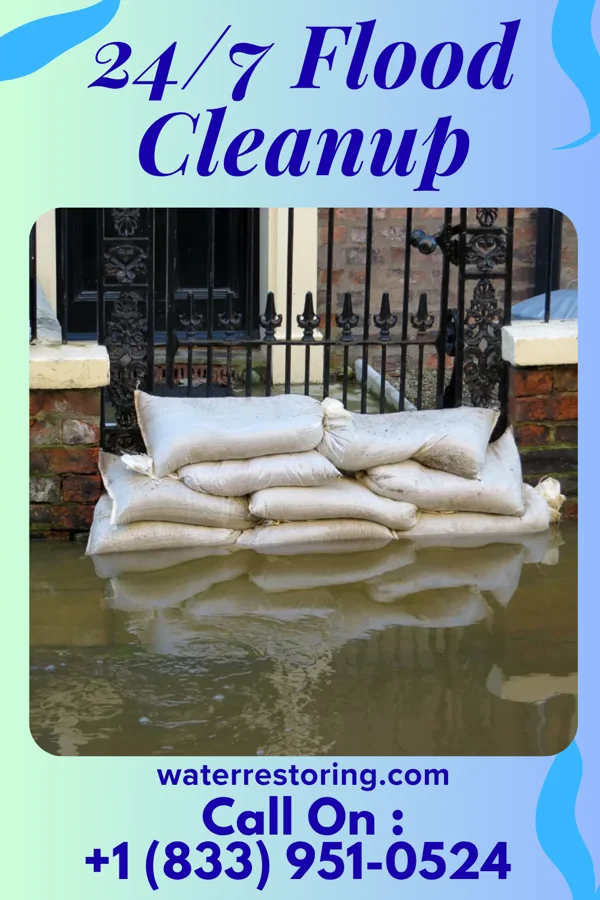
When Quinhagak Properties Need 24/7 Flood Cleanup
Water damage in Quinhagak usually starts with permafrost thaw and snowmelt flooding. A close second is ice dam formation and glacial runoff. Professional restoration follows the IICRC protocol on every job. Assess. Extract. Dry. Sanitize. Document.
Quinhagak experiences a subarctic climate with long, cold winters and short, cool summers. The thawing of permafrost and rapid snowmelt in spring significantly increase flood risk, particularly in low-lying areas near the Bering Sea.
Water damage in Quinhagak follows a few local patterns. permafrost thaw and snowmelt flooding accounts for the bulk of our calls. Quinhagak experiences a subarctic climate with long, cold winters and short, cool summers. The thawing of permafrost and rapid snowmelt in spring significantly increase flood risk, particularly in low-lying areas near the Bering Sea. In Quinhagak, mold can develop quickly in damp indoor environments following flooding due to high humidity and cool temperatures. Prompt cleanup is essential to prevent long-term structural damage and health risks.
For public guidance on the health effects of mold after prolonged water exposure, see the EPA mold and health page.